“New Bean” search results (6000)

Rainforest certified Golden Bean New World Coffee Brazil Syrador
Brazil Hilado cerrade rainforest certified gold beans New World coffee beans roasted, listened to the advice of raw bean merchants, and immediately turned off the beans at the sound of the second explosion. Grinded into coffee powder, Brazil's crrrade Hilado rainforest certified Golden Bean New World Coffee smells a little wild, reminiscent of the yellow land of Brazil on Earth. Use
2015-04-29 Rainforest Certification Golden Bean New World Coffee Brazil Lado La
Brazil Hilado Rainforest Certified Golden Bean New World Coffee
Brazil Hilado cerrade rainforest certified gold beans New World coffee beans roasted, listened to the advice of raw bean merchants, and immediately turned off the beans at the sound of the second explosion. Grinded into coffee powder, Brazil's crrrade Hilado rainforest certified Golden Bean New World Coffee smells a little wild, reminiscent of the yellow land of Brazil on Earth. Use
2014-12-03 Brazil Lado Rainforest Certification Golden beans New World Coffee La
Brazil Hilado rainforest certified gold bean new world coffee
Brazil Hilado cerrade rainforest certified gold beans New World coffee beans roasted, listened to the advice of raw bean merchants, and immediately turned off the beans at the sound of the second explosion. Grinded into coffee powder, Brazil's crrrade Hilado rainforest certified Golden Bean New World Coffee smells a little wild, reminiscent of the yellow land of Brazil on Earth. Use
2015-02-05 Brazil Lado Rainforest Certification Golden beans New World Coffee La
High-quality coffee raw beans: the difference between new beans and old beans
After dry and wet processing, coffee fruit becomes coffee raw bean (Raw bean/Green bean). The main components of raw beans are: carbohydrates, about 49%; moisture, about 12%; protein. About 11%; chlorogenic acid, about 7.6% alkaloids and trace elements, about 0.4%. According to the length of time, raw beans can be divided into: seasonal beans (Current Cro)
2015-06-01 Boutique coffee raw beans new beans old beans fruit pass dry and wet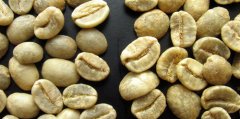
Coffee raw beans: the main components of raw beans between new beans and old beans
After dry and wet processing, coffee fruit becomes coffee raw bean (Raw bean/Green bean). The main components of raw beans are: carbohydrates, about 49%; moisture, about 12%; protein. About 11%; chlorogenic acid, about 7.6% alkaloids and trace elements, about 0.4%. According to the length of time, raw beans can be divided into: seasonal beans (Current Cro)
2015-09-15 Coffee raw beans new beans old beans mainly coffee fruit after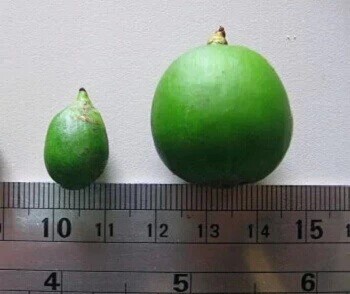
How to choose coffee beans with high cost performance? Coffee Bean Size and Taste Coffee Bean Old and New and When Preserved
As people's exposure to coffee deepens, ordinary tasting can no longer meet people's needs. As a result, more and more coffee lovers will buy their own beans home, starting with grinding, step by step to blend their favorite coffee flavor. Coffee beans are big.
2016-04-06 how choice price/performance ratio high coffee beans size taste old and new preservation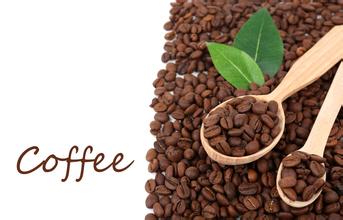
Fine Coffee Papua New Guinea Coffee Bean Origin Papua New Guinea Coffee Bean Flavor
The legendary background of modern coffee. In Papua New Guinea, about 75 percent of coffee production comes from small-scale, local farmers
2016-05-11 Boutique Coffee Papua New Guinea Coffee Bean Origin Flavor
Coffee raw beans: the difference between new beans and old beans
Coffee raw beans: the coffee fruits of new beans and old beans are processed by dry and wet methods, and then become coffee raw beans (Raw bean/Green bean). The main components of raw beans are: carbohydrates, about 49%; moisture, about 12%; protein. About 11%; chlorogenic acid, about 7.6% alkaloids and trace elements, about 0.4%. According to the length of time, raw beans can be specific.
2015-10-15 Coffee raw beans new beans old beans coffee
Papua New Guinea Sigri Paradise Bird Coffee beans
Because the people of Papua New Guinea introduced this bean, the beautiful national bird of Papua New Guinea, Bird of Paradise, on the sack was impressive, so this bean was later named Paradise Bird. I have introduced the bean of Paradise Bird. In fact, it may be far-fetched to say that this bean is called Paradise Bird. However, due to the introduction of Papuan Xinji by Chinese people.
2014-11-11 Coffee knowledge Papua New Guinea coffee beans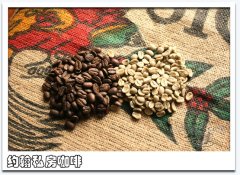
Papua New Guinea Sigri Bird of Paradise Coffee Bean
Once introduced the bird of paradise this bean, in fact, introduced that this bean is called bird of paradise may be a bit far-fetched, but because the Chinese introduced Papua New Guinea this bean, the beautiful sack of Papua New Guinea's national bird, Bird of Paradise (Bird of Paradise) impressive, so later this bean also left the name bird of paradise. But then there was another one from Pakistan.
2015-09-14 Papua New Guinea Sigri Bird of Paradise Coffee Bean Ever Presentation Paradise
Boutique coffee common sense coffee raw beans the difference between new beans and old beans
After dry and wet processing, coffee fruit becomes coffee raw bean (Raw bean/Green bean). The main components of raw beans are: carbohydrates, about 49%; moisture, about 12%; protein. About 11%; chlorogenic acid, about 7.6% alkaloids and trace elements, about 0.4%. According to the length of time, raw beans can be divided into: seasonal beans (Current Cro)
2014-11-11 Coffee knowledge coffee common sense coffee raw beans new beans old beans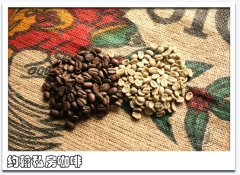
Papua New Guinea Sigri Bird of Paradise Coffee Bean
Because when the bean was introduced into Papua New Guinea by Chinese people, the beautiful bird of paradise, the national bird of Papua New Guinea, was impressive, so the bean was later named "Bird of Paradise."
2014-07-03 Papua New Guinea Coffee Beans Fine Coffee Beans
Papua New Guinea Coffee Bean Origin Papua New Guinea Coffee Bean Practice
The legendary background of modern coffee. In Papua New Guinea, about 75 percent of coffee production comes from small-scale, local farmers
2016-05-12 boutique coffee Papua New Guinea coffee beans origin practice
Coffee Bean Producing Area-Oceania-New Guinea
Well-known representative coffee: New Guinea New Guinea is located in northern Australia, also known as Papua New Guinea. The world's second largest island in the Pacific Ocean grows Arabica coffee trees, mainly in the north-central Hagen Mountains, where coffee beans are processed by washing. Coffee trees of New Guinea and Jamaica Blue Mountains consanguineous, seeds were brought to New Guinea from Blue Mountains in 1927
2014-09-13 Coffee Bean Production Oceania New Guinea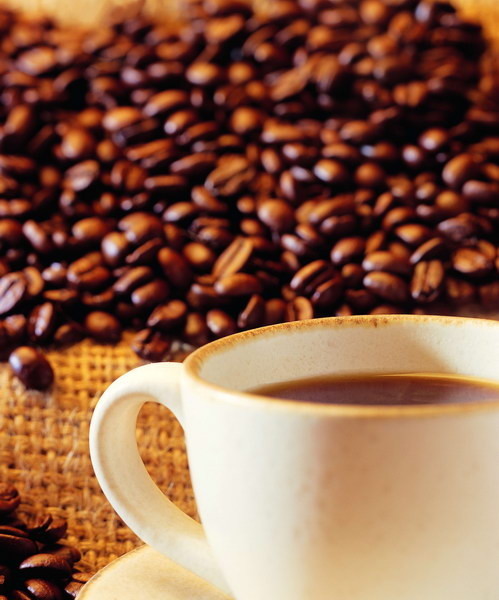
Bird of Paradise Coffee Papua New Guinea Sigri Bird of Paradise Coffee Bean
Once introduced this bean bird of paradise, in fact, it may be far-fetched to say that this bean is called bird of paradise, but because when the Chinese introduced this bean into Papua New Guinea, the beautiful national bird of Papua New Guinea, Bird of Paradise, impressed people deeply, so later this bean was also named Bird of Paradise. But then there was another one from Pakistan.
2016-07-30 Bird of Paradise Coffee Papua New Guinea Sigri Coffee Bean Once Upon a Time Introduction
Coffee training knowledge: coffee raw beans: the difference between new beans and old beans
Coffee raw beans: the difference between new beans and old beans. After dry and wet processing, coffee fruit becomes coffee raw bean (Raw bean/Green bean). The main components of raw beans are: carbohydrates, about 49%; moisture, about 12%; protein. About 11%; chlorogenic acid, about 7.6% alkaloids and trace elements, about 0.4%. According to the length of time, raw beans can have
2014-10-08 Coffee knowledge coffee training coffee raw beans coffee encyclopedia
Fine coffee Papua New Guinea Coffee Bean Origin Papua New Guinea Coffee Bean
The legendary background of modern coffee. In PapuaNewGuinea, about 75 per cent of coffee products come from small local farmers
2016-05-06 Boutique coffee Papua New Guinea coffee beans origin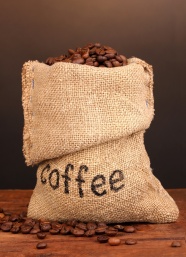
Boutique coffee Papua New Guinea coffee bean flavor Papua New Guinea coffee bean
The legendary background of modern coffee. In PapuaNewGuinea, about 75 per cent of coffee products come from small local farmers
2016-05-11 Boutique coffee Papua New Guinea coffee beans practices flavor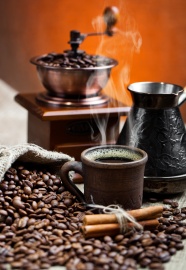
Boutique coffee Papua New Guinea coffee bean characteristics Papua New Guinea coffee bean flavor
The legendary background of modern coffee. In PapuaNewGuinea, about 75 per cent of coffee products come from small local farmers
2016-05-11 Boutique coffee Papua New Guinea coffee beans characteristics flavor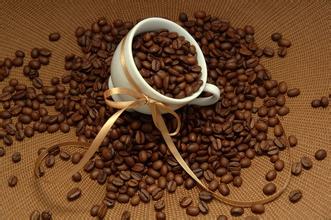
Boutique coffee Papua New Guinea coffee bean characteristics Papua New Guinea coffee bean price
The legendary background of modern coffee. In PapuaNewGuinea, about 75 per cent of coffee products come from small local farmers
2016-05-11 Boutique coffee Papua New Guinea coffee beans characteristics price